Adidas
Herzogenaurach, Germany
Adidas projects are among my favorite to visualize. The goal of producing 3D renders for footwear is to reduce the client's costs of visualizing their concepts. When done correctly, the pipeline can deliver a faster concept-to-market approach which allows the client to iterate through concepts much more quickly than dealing with all the logistics involved in manufacturing prototypes for traditional photography. The approach shown below is highly specialized and not cost effective for everyday projects.
This brief animation showcases a 3D shoe from multiple perspectives in a looped sequence. The original animation was rendered in 1920x1080 at 50 frames per second, and the project employs modeling, texturing, HDR photography, lighting, animation and rendering.
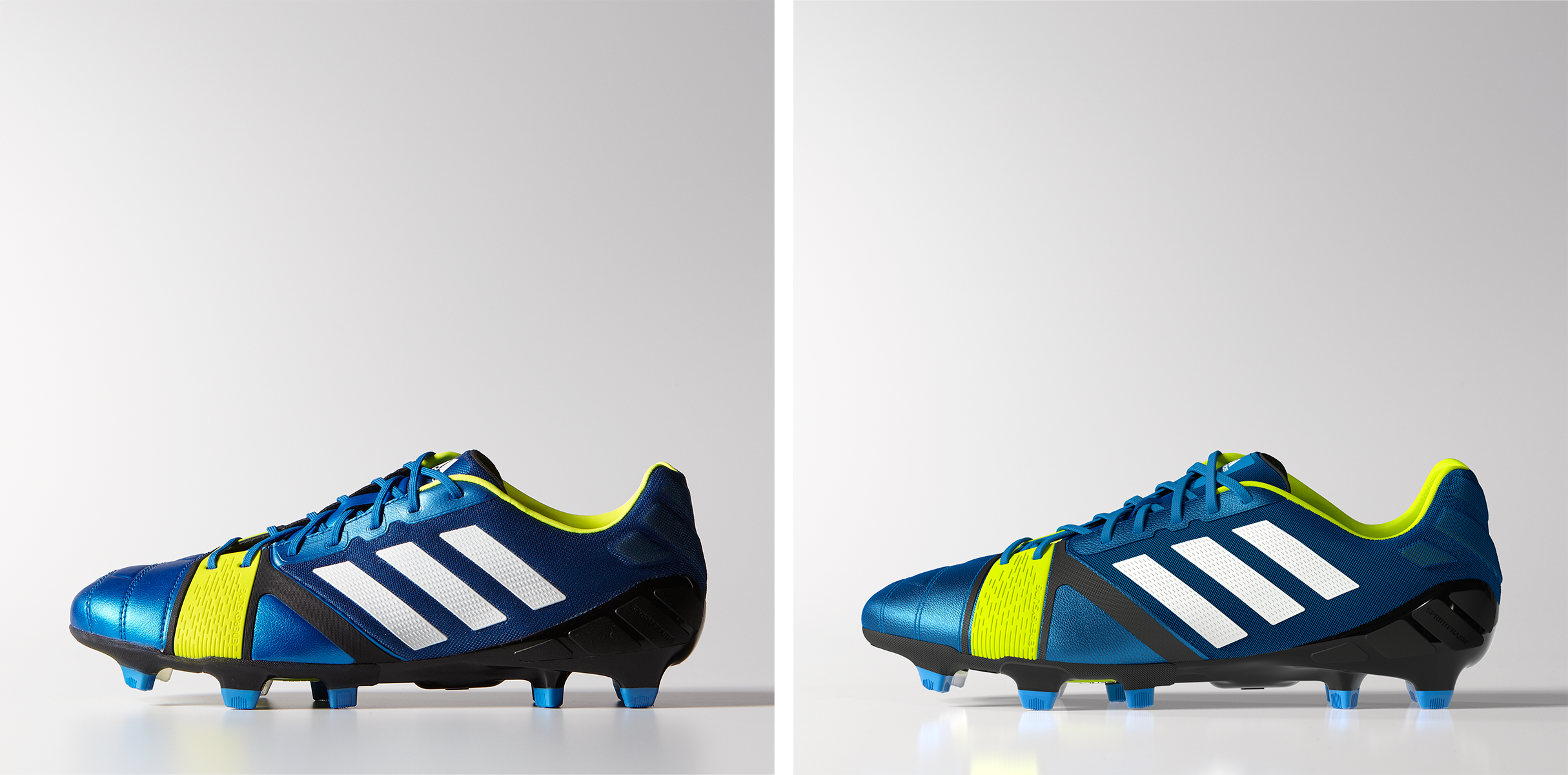
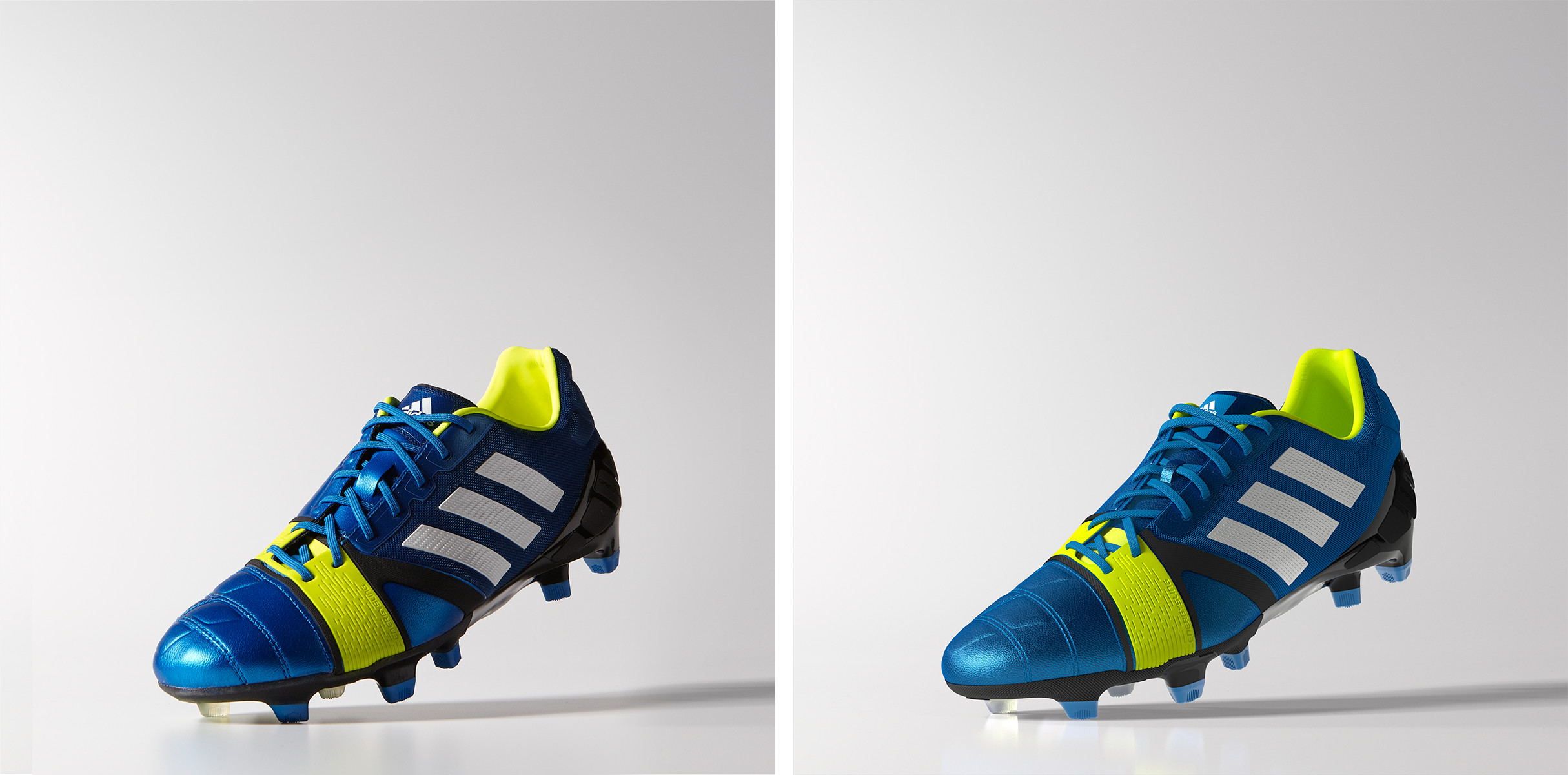
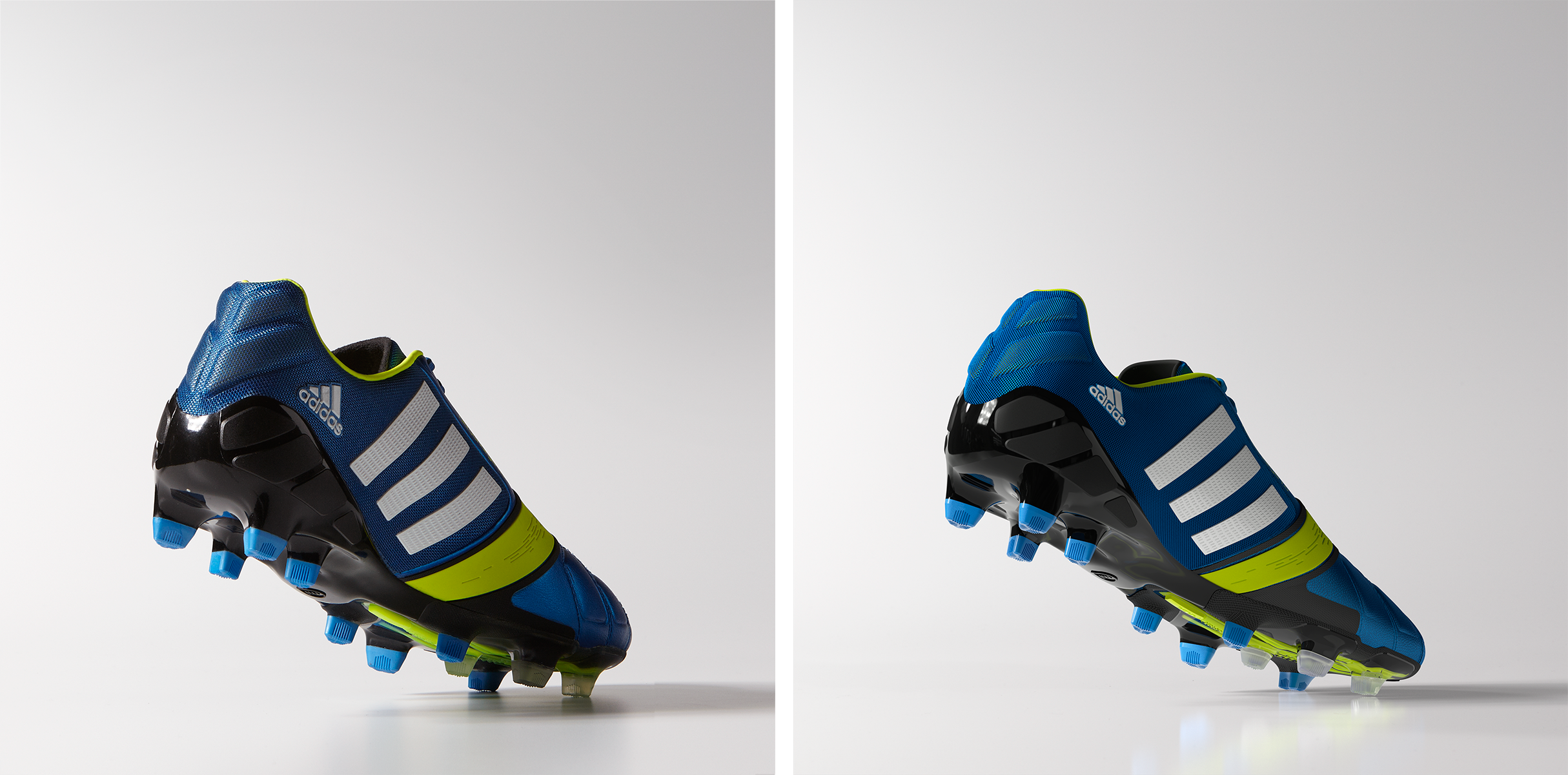
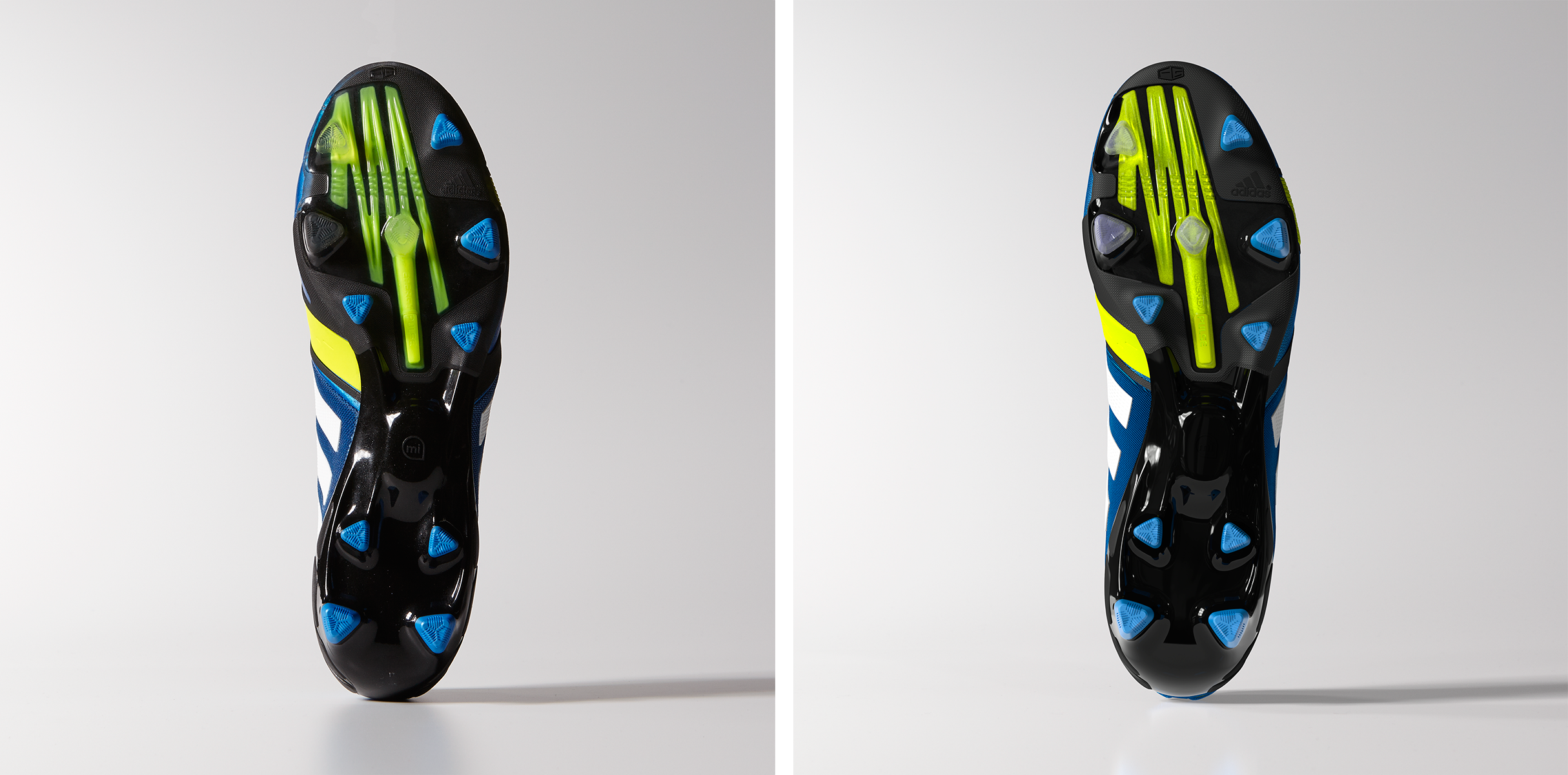
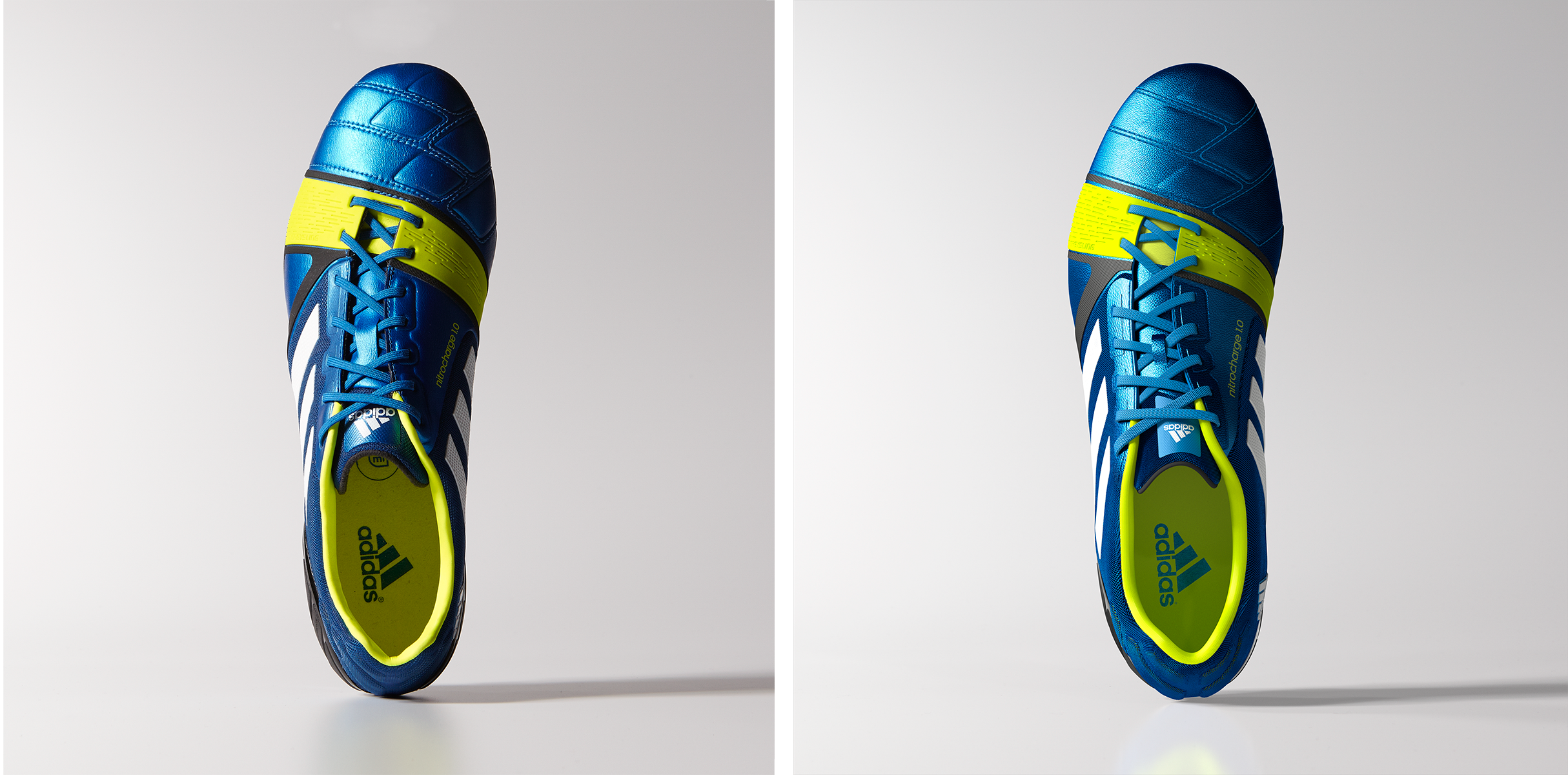
This slideshow compares actual product photograph (LEFT) with the final 3D renders (RIGHT). Please notice the attention to detail in creating realistic lighting, reflections and material shaders.
A key requirement for such a pipeline is that 3D renders must match in-studio photographs as closely as possible. Footwear demands a high level of detail in order for 3D renders to be convincing to the viewer. In order to achieve that detail, the artist must be well versed in a wide range of specializations.
This project series involved several steps.
Importing manufacturing data to Maya, organizing data structures and correcting mesh flaws.
Creating several dozen of complex material shaders and texture maps, including diffuse, specular, normal, bump and displacement maps.
Remodeling several geometry segments which were not suitable for high resolution photo-quality renders.
Photographing 360° panoramas from our photo studios where the actual product shootings take place.
Stitching together hundreds of RAW photos to generate spherical HDR environment maps.
Replicating our photo lab in 3D and utilizing our HDR environment maps to provide realistic lighting and reflections.
Tweaking shaders, lighting and render settings for photorealistic results.
Distributing render jobs across our 20-machine renderfarm to produce 8000px high resolution print-quality renders from multiple perspectives.
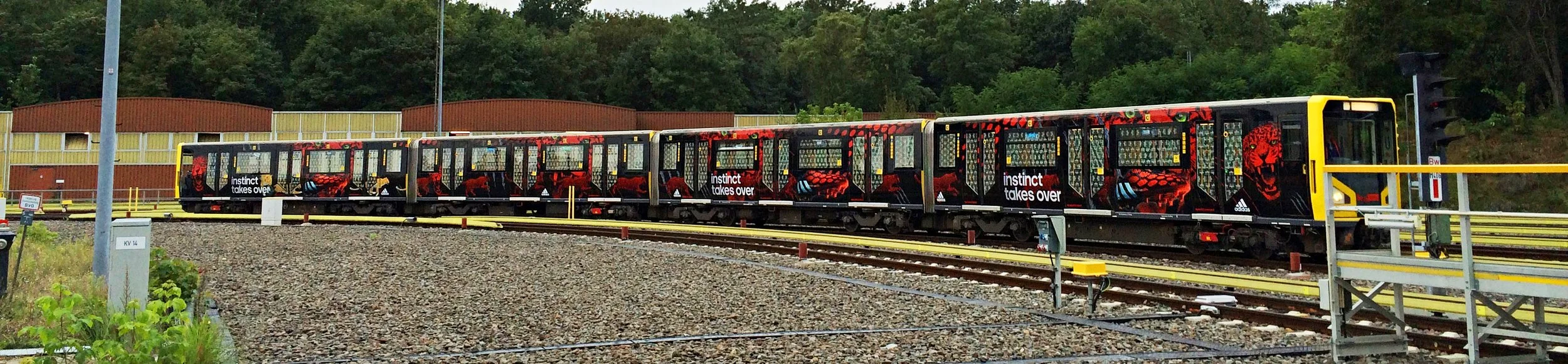
Our red leopard design, paired with the Adidas shoe, applied to four full-size subway trains brought the advertisement to life in Berlin.
Here’s how the High Dynamic Range (HDR) photo stage was captured to replicate the light environment for the 3D shoe project.
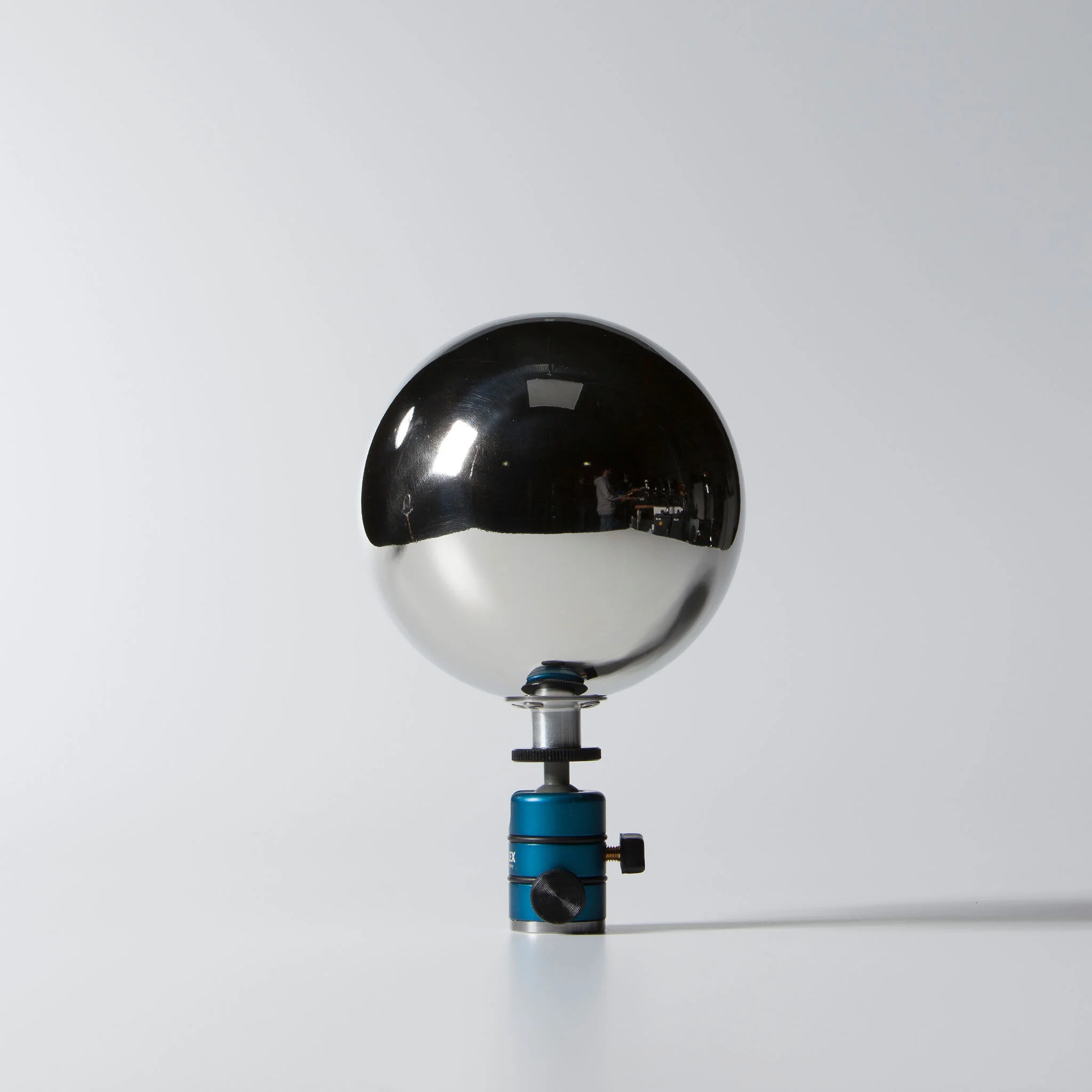
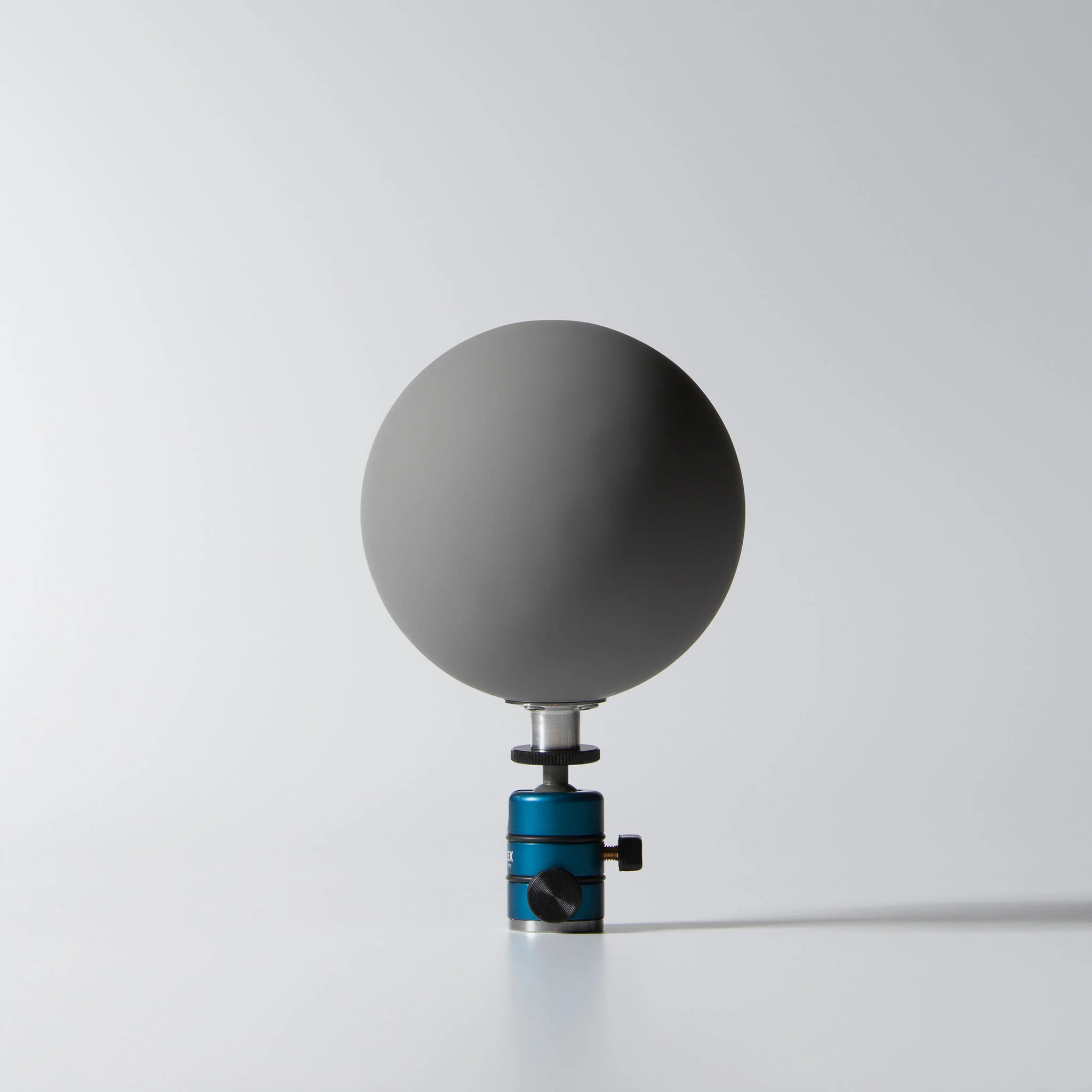
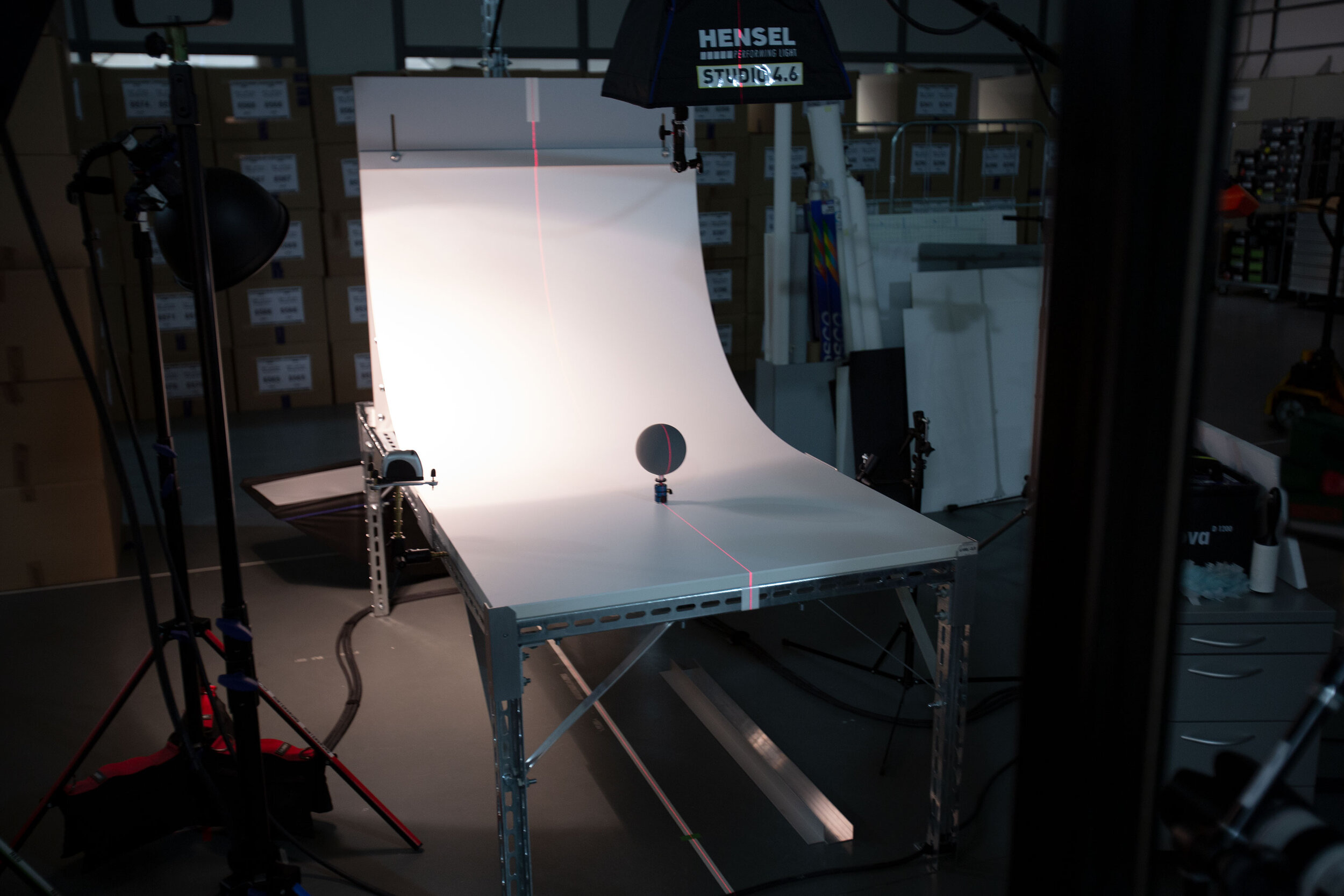
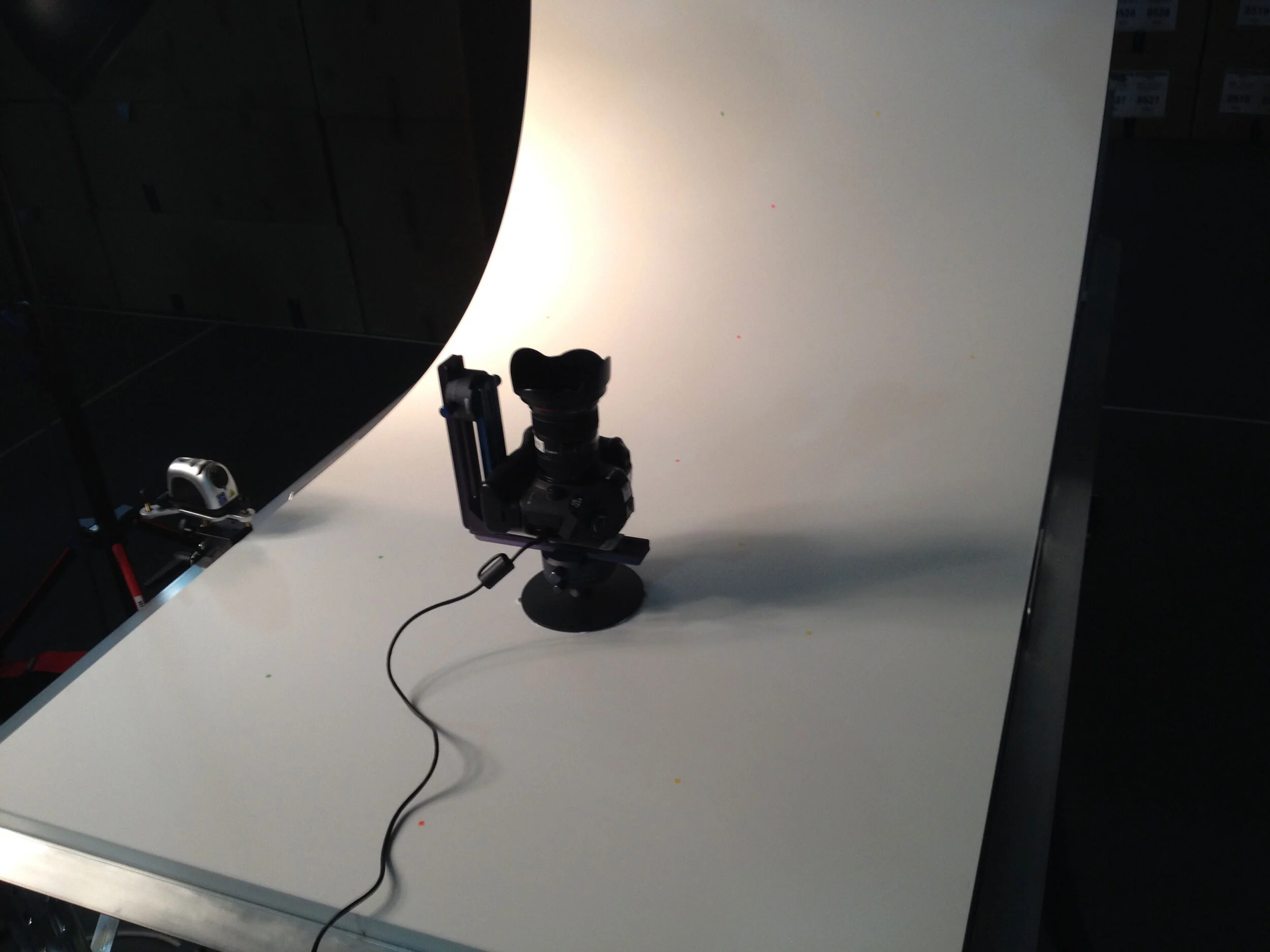
The end result is a massive spherical panorama of exquisite quality. Weighing in at over 16 thousand pixels wide and 8 thousand pixels high, this high dynamic range (HDR) photo composition allows for extremely accurate real-world lighting. The light angles, reflections, and shadow softness are all perfectly reproduced directly from the actual photo studio. This technique can be used to capture the lighting effects of all sorts of environments, and is commonly used on blockbuster movie sets.
Often times a client will request an advertisement to be showcased on a vertical flatscreen TV positioned in a mall or kiosk. They’re typically 5-10 seconds long and just enough to capture people’s attention. The fun in producing these is that clients are generally very receptive to fresh new ideas, so you can get pretty creative with them.
This flying shoe project was interesting because it was the first time I got to export camera and object data from Maya and import them into After Effects. With this technique I was able to create the glowing particle exhaust effect without long render times.